
LIB- WATCH

LEW - WATCH

Author name: leon.tyes@gmail.com

Security

Rising Mob Justice and Public Safety Risks in Liberia: An Early Warning Analysis

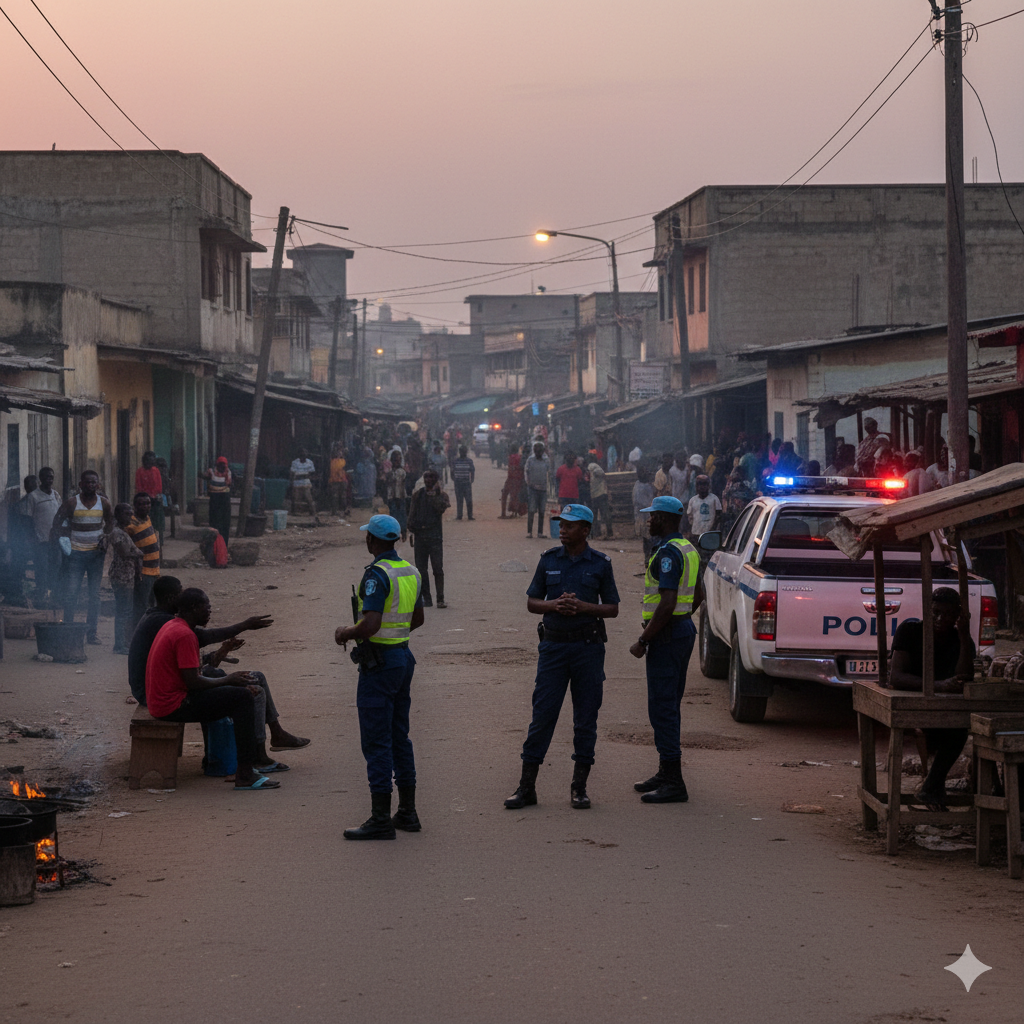
Overview Recent incidents of mob justice across Liberia raise serious concerns about public safety, rule of law, and community trust in formal justice institutions. Mob violence—often triggered by alleged theft, accusations, or misinformation—continues to result in injuries, deaths, and the erosion of human rights protections. LEW-WATCH considers this trend a critical early-warning indicator of broader security and governance challenges. Key Risk Indicators Reports from multiple counties suggest that mob justice incidents are driven by delayed legal processes, limited police presence, and public frustration with perceived impunity. In several cases, unverified information circulating through word of mouth and social media has escalated tensions, leading to collective violence before authorities can intervene. These incidents highlight weaknesses in community-level conflict prevention, access to justice, and public trust in security institutions. Without early intervention, mob justice can normalize extrajudicial violence and further destabilize already vulnerable communities. Implications for National Security Mob justice is not an isolated criminal issue—it is a governance and human security concern. When citizens take the law into their own hands, it signals breakdowns in institutional credibility and legal enforcement. The normalization of such acts risks fueling cycles of retaliation, vigilantism, and wider insecurity. LEW-WATCH emphasizes the need for early-warning monitoring, community engagement, and strengthened security sector governance to prevent escalation and protect fundamental rights. Policy & Prevention Recommendations Conclusion Mob justice remains a growing threat to Liberia’s peace and social cohesion. Addressing this challenge requires coordinated action from security institutions, community leaders, and civil society actors. Timely early-warning information and preventive interventions are essential to protecting lives and restoring public confidence in the rule of law.

Economy

Liberia’s Economic Reforms and Pathways to Inclusive Growth in 2025–2026

Introduction Liberia is navigating a critical phase of economic reform as it strives to build a more inclusive, resilient, and sustainable economy. Recent analysis shows that despite persistent structural challenges, strategic policy alignment and focused investment can unlock private sector job creation and fuel broader development gains across the country. Economic Context and Reform Priorities The recent World Bank Liberia Economic Update highlights structural weaknesses in the country’s labor market and private sector that have long constrained job creation and economic diversification. The report emphasizes the importance of stimulating firm growth, expanding production capacity, and aligning policy reforms to generate productive employment opportunities for Liberians. Key priorities identified include enabling regulatory environments, strengthening small and medium enterprises, and investing in skills development, particularly for youth and women. These measures can help reduce reliance on informal work and promote sustained economic participation across the population. Linking Reforms to Broader National Goals These economic reforms tie directly into Liberia’s broader development frameworks, such as the ARREST Agenda for Inclusive Development (AAID), which aims to transform infrastructure, human capital, and national productivity over the coming years. The government’s push for economic modernization reflects a recognition that stability and sustainable growth depend not only on policy intentions but also on effective implementation and inclusive participation. Despite these opportunities, challenges remain, including poverty, limited access to quality education and health services, and vulnerabilities to external shocks. Strengthening public institutions, enhancing transparency, and expanding partnerships with civil society and international development actors will be essential in catalyzing long-term, equitable growth. Conclusion Liberia stands at a pivotal moment where economic policy reforms, when combined with strategic investments and inclusive governance, can significantly improve livelihoods and national resilience. The path forward requires collaboration across sectors and sustained commitment to reforms that promote job creation, reduce poverty, and strengthen human security.

Scroll to Top